Mines Casino Game Australia: How It Works
 Available in US
Understand the grid, mine settings, cash-out decisions, demo options and key checks before playing online in Australia.

Table of Contents
- How Mines Works: Grid Layout, Mines, Reveals, and Cash-Outs
- Casino Dice Games in Australia: Craps, Sic Bo, and Dice Variants
- Playing Mines Online in Australia: Legality, Licensing, and Site Checks
- Free Mines Casino Games: Demo Mode, Practice, and Verification
- Mines Casino Strategy: What a Simulator Can Actually Test
- Mines Slots and Casino Formats: How the Game Fits the Lobby
- Crash Casino Games for Real Money in Australia
- Mines Bonuses, Promo Codes, and Wagering Contributions
- Using a Slots Mines App Safely on Mobile
- Mines Demo Slots: A Safer Way to Inspect the Interface
- Where to Play Mines Casino: A Pre-Deposit Checklist
How Mines Works: Grid Layout, Mines, Reveals, and Cash-Outs
Mines is a concealed-grid casino game built around repeated choices. You select a stake, choose how many hidden mines the board contains, reveal tiles one at a time, and decide whether to stop or continue. The central decision is not where a mine must be located; before a tile is opened, its content is hidden. The interface shows the result of each action and updates the amount available for a cash-out.
The grid and mine setting
A round begins with a rectangular grid of covered tiles. The exact board size and available mine settings depend on the game design, but the operating principle remains the same: some tiles contain mines and the remaining tiles are safe. The mine count is selected before the first reveal. It belongs to the round and is not changed by later clicks.
Your stake is also fixed when the round starts. It is the amount placed at risk for that board, not a separate charge for every tile. A tile selection is therefore an instruction to reveal part of the current round, rather than a new bet.
This list highlights casino operators relevant to playing Mines in Australia in 2026. Use the available licensing, bonus, deposit, and payout details to identify the options that best match your preferences.
License: Tobique Gaming Commission · Bonus: up to A$8,000 + 400 free spins across 4 deposits · Payout speed: crypto ~10-15 minutes, fiat 1-5 days · Min. deposit: A$30 SkyCrown operates under a Tobique Gaming Commission licence and offers up to A$8,000 plus 400 free spins across four deposits. Crypto payouts are listed at around 10–15 minutes, while fiat withdrawals take 1–5 days; the minimum deposit is A$30.
License: Curacao eGaming Licence · Min. deposit: A$10 Rocket Play holds a Curacao eGaming Licence and has a low minimum deposit of A$10. The supplied details make it a straightforward option for players focused on entry requirements.
License: Curacao · Bonus: up to A$10,000 multi-stage + 500 free spins · Min. deposit: A$20 (POLi) Lucky Dreams is licensed in Curacao and offers a multi-stage bonus of up to A$10,000 with 500 free spins. The minimum deposit is A$20 when using POLi.
License: Curacao – Antillephone N.V. (Versus Odds B.V.) · Bonus: up to EUR 2,000 across 5 deposits + 200 free spins · Min. deposit: EUR 20 Thor Casino operates under a Curacao licence issued through Antillephone N.V. for Versus Odds B.V. Its offer reaches EUR 2,000 across five deposits and includes 200 free spins, with a EUR 20 minimum deposit.
License: Curacao eGaming Licence · Min. deposit: A$10 Rainbet holds a Curacao eGaming Licence and accepts minimum deposits from A$10. The available information identifies it as an option with a low entry threshold.
License: Curacao · Bonus: up to A$2,000 Golden Pokies operates under a Curacao licence and features a bonus of up to A$2,000. These are the main documented details available for assessing the operator.
Bonus: 240% up to A$4,100 + 300 free spins WinShark stands out for a 240% bonus of up to A$4,100 together with 300 free spins. No licensing, deposit, or payout details are provided here.
Bonus: 100% up to A$750 + 200 free spins, 35x wagering · Payout speed: crypto 30-120 minutes, fiat 24-72 hours · Min. deposit: A$30 MrPacho offers a 100% bonus up to A$750 plus 200 free spins, with 35x wagering. Crypto payouts are listed at 30–120 minutes and fiat payouts at 24–72 hours; the minimum deposit is A$30.
License: Curacao · Bonus: 100% up to A$500 + 200 free spins, 10x wagering · Payout speed: crypto 30-60 minutes, fiat 1-5 days · Min. deposit: A$10 Wild Tokyo is licensed in Curacao and offers a 100% bonus up to A$500 plus 200 free spins with 10x wagering. Crypto payouts are listed at 30–60 minutes, fiat payouts at 1–5 days, and the minimum deposit is A$10.
License: Curacao Gaming Control Board · Bonus: up to A$5,000 + 400 free spins JustCasino operates under the Curacao Gaming Control Board and advertises up to A$5,000 plus 400 free spins. The supplied information does not specify its minimum deposit or payout times.
The unopened tiles are visually identical unless the interface provides a specific marker or history feature. A covered tile does not become safer because it has remained untouched, and a previous safe reveal does not identify a particular safe tile. The game records the board’s concealed arrangement before play begins, then exposes individual results as you make selections.
What a reveal does
Clicking or tapping a covered tile produces one of two immediate outcomes:
- Safe tile: the round continues, and the displayed cash-out value increases according to the game’s rules.
- Mine: the round ends, the concealed board is revealed or marked, and the active stake is lost for that round.
A safe reveal does not pay money directly to your balance. It changes the value available if you cash out. This distinction matters because the amount displayed during play is conditional: it becomes a payout only when the round is stopped through the cash-out control.
The board may show opened safe tiles, the mine positions, the current stake, and the current cash-out value. These elements describe the state of one round. They should not be read as a prediction of the next tile or as evidence that the game is adapting its mine positions to your choices.
Continuing or cashing out
After each safe reveal, you choose between ending the round and selecting another covered tile. Cashing out transfers the displayed amount according to the game’s settlement rules. Continuing leaves that amount exposed to the next reveal: a safe result can increase the available value, while a mine ends the round with no cash-out from that attempt.
This creates two separate actions that are often confused in the interface:
- Reveal: accept another concealed outcome.
- Cash out: stop exposing the round and settle the currently displayed value.
A cash-out button may be available only after a safe reveal, and some interfaces may show a confirmation or disabled state while the result is being processed. The important question is whether the round has been settled. If it has not, the displayed figure remains a potential payout rather than completed winnings.
Reading one complete round
To understand a casino Mines game, follow the sequence rather than the visual theme:
- Set the stake and mine count.
- Start the round.
- Select a covered tile.
- Read whether the result is safe or a mine.
- After a safe result, either cash out or reveal another tile.
- If you cash out, check that the round status changes to settled.
- If a mine appears, inspect the final board and the recorded result.
The same loop applies whether the interface is labelled Mines, Casino Mines, or a Mines casino game. The graphics may change, but the mechanical boundary is constant: hidden outcomes are revealed one at a time, and the cash-out decision determines whether the current displayed value is collected.
Casino Dice Games in Australia: Craps, Sic Bo, and Dice Variants
Mines belongs to the wider casino-games category, but it is not a dice game. Mines uses a concealed grid: you choose positions, reveal them, and decide whether to continue or cash out. Dice products instead generate results from one or more dice, then settle a bet against a defined outcome.
Traditional dice games
Craps is the best-known traditional dice title. Players bet on combinations and events produced by dice rolls, with several wager types available on the same table. Sic Bo uses three dice and offers bets on totals, combinations, and individual results. These games have established table-game rules and should not be treated as alternative names for Mines.
Casino lobbies may also contain branded or simplified dice products, including:
- Lightning Dice
- Thunder Dice
- Dice Duel
- InOut
- Lucky Seven Dice
- Gold Coast Dice
- Outback Roll
The title alone does not tell you how a game settles bets. Open the rules and identify the result-generating process, available wagers, and any displayed return information. A branded dice game can have a very different interface from Craps or Sic Bo while remaining a dice product for account and promotion purposes.
Why classification matters
The distinction between Mines and dice games matters when you read casino terms. A bonus may describe “casino games” broadly but assign different wagering treatment to dice products, or exclude them entirely. Do not assume that a Mines bet qualifies in the same way as a Craps, Sic Bo, or branded dice bet. Check the game-contribution wording before accepting an offer.
For Australian players, the legal framework also distinguishes the provider’s position from the player’s access. The Interactive Gambling Act 2001 restricts Australian-based operators from offering online casino games, including dice games, to Australian residents. Real-money access to casino and dice products is instead associated with international offshore operators, which commonly operate under Curaçao, Malta, or Gibraltar licensing jurisdictions.
Craps and Sic Bo are established table games with specific rules for combinations and totals.
Products like Lightning Dice or Thunder Dice offer different interfaces while remaining dice-based.
Unlike dice, Mines uses a concealed grid where you select specific positions to reveal.
That classification does not make Mines a dice game or establish that every offshore site is suitable. It simply explains why the lobby category, game rules, and promotional terms must be checked separately.
Playing Mines Online in Australia: Legality, Licensing, and Site Checks
Where Mines Fits Under Australian Law
Mines is generally presented as an online casino game because it uses real-money stakes, random outcomes and a cash-out decision. That classification matters in Australia. The Interactive Gambling Act 2001 makes online casino games offered to Australian customers prohibited interactive gambling services. This covers casino products such as pokies, roulette, blackjack, live dealer tables and comparable games delivered online.
The restriction is directed at the provider. It does not make an Australian player a criminal for placing a bet with an offshore operator. However, the legal position does not create a domestically licensed market for real-money Mines. No Australian gambling licence exists for casino games because offering that product to Australians is against the law.
This produces a distinction that is easy to miss:
- Australian-based operators cannot lawfully offer an online casino Mines product to Australian residents.
- Australian players may access real-money casino games through international offshore operators.
- An offshore website serving Australian customers is not an Australian-licensed casino.
- The operator remains responsible for complying with the laws that apply to its service and jurisdiction.
Therefore, “legal access” and “Australian regulation” are not the same thing. A player may be able to reach an online casino Mines game from Australia without that website being authorised under an Australian casino licence.
How Offshore Licensing Works
Offshore casinos commonly rely on licensing jurisdictions such as Curaçao, Malta or Gibraltar. The licence is issued by the relevant authority in that jurisdiction, not by an Australian regulator. It is intended to establish which rules govern the operator’s conduct, technical controls, complaints process and financial procedures.
A licence is not proof that every part of a site is suitable for you. It is a starting point for verification. The operator should display its licence number and identify the issuing authority in its footer, terms or regulatory information. If the information is missing, inconsistent or impossible to check, treat that as a material warning rather than a design issue.
The correct verification process is:
- Find the stated licence number and the name of the licensing authority.
- Open the authority’s official website rather than relying on a badge displayed by the casino.
- Search the authority’s public register for the operator and licence number.
- Check that the status is current and that the registered company matches the casino’s legal entity.
- Read the permitted products and customer-market information where the register provides them.
- Save the operator’s legal name and licence details before depositing.
MGA and Curaçao licensing authorities maintain public registers where a licence number and its status can be checked. This is different from looking for an Australian casino register: no public register of Australian-licensed online casino operators exists because no domestic licence for that product exists.
Why ACMA Blocking Matters
The Australian Communications and Media Authority actively blocks offshore operators. Blocking action is an important practical risk signal, but it does not mean that every accessible website is approved. A site may be unavailable through one domain and appear later under another address. A working login page is therefore not evidence of legality, licensing or reliability.
Unlicensed sites create additional uncertainty. You may have no dependable way to identify the legal operator, confirm which rules govern your account or challenge a disputed transaction. The risks can affect deposits, withdrawals, identity documents and personal information, not merely access to the Mines game.
Legal Status Australian-based operators are prohibited from offering online casino games to Australian residents under the Interactive Gambling Act 2001.
Do not interpret an advertising claim such as “Australian casino” as proof of local authorisation. The relevant question is whether the product is an online casino offered to Australian customers and which offshore entity operates it. A site can accept Australian dollars or display Australian payment options while still operating entirely outside Australia.
Site Checks Before You Create an Account
Before using an online Mines casino, separate the technical game question from the operator question. A game may load correctly while the site handling your money has weak controls. For due diligence, check the following:
- the legal company name;
- the offshore licensing authority;
- the licence number and current register status;
- the identity-verification policy;
- the account-closure and self-exclusion process;
- the deposit-limit controls available before the first transaction;
- the full withdrawal conditions and any applicable fees;
- the method for viewing bet-by-bet game history;
- the customer-support channel and escalation route.
The operator should make deposit limits available before the first transaction. Self-exclusion should not depend on an unclear or obstructive process. If a site makes it difficult to close an account or asks you to continue depositing before handling a restriction request, stop using it.
Identity checks are also part of the operator assessment. A legitimate offshore casino may require personal information and documents before allowing withdrawals. That does not make every request legitimate. Read the privacy policy, check the named legal entity and confirm that the site explains why verification is required and how documents are handled.
Do not rely on a licence badge, a payment logo or the presence of a branded provider alone. A site may list familiar names without giving you a verifiable connection between the product, the operator and the licensed entity. The licence number remains the practical reference point.
What “Licensed” Does Not Guarantee
An offshore licence does not turn an online casino into an Australian-licensed service. It also does not guarantee profitable play, uninterrupted access, immediate withdrawals or universal consumer protection. Licensing is a control framework, not a promise about the result of a Mines round or the financial outcome of an account.
The same caution applies to branded products, including a Mines title associated with Spribe or another provider. The game provider and the casino operator are separate parties. The provider supplies the game; the casino accepts your account funds, applies its terms and processes withdrawals. Check both roles instead of treating a recognisable game name as evidence that the website itself is trustworthy.
For an Australian player, the defensible approach is therefore limited and specific: recognise that online casino Mines is not offered under an Australian casino licence, identify the offshore operator, verify its claimed licence through the relevant official register, and assess the site’s account and protection controls before depositing. Availability alone is not authorisation, and a licence claim that cannot be independently checked should not be treated as one.
Site Verification
- Find the stated licence number and issuing authority
- Verify the licence status on the official authority website
- Confirm the registered company matches the casino’s legal entity
- Check for available deposit-limit controls
Free Mines Casino Games: Demo Mode, Practice, and Verification
A free Mines casino game is a version that lets you open the grid and test the controls without placing a real-money stake. Depending on the operator and game provider, this may be called demo mode, practice mode, or a free-play version. The important point is that the screen can look almost identical to the cash version while the financial consequences are different.
A useful demo should let you select the board settings, choose a stake value, reveal tiles, and stop a round through the same controls used in real-money play. It should also show the result of each action clearly. If the interface hides the mine count, changes the layout, or removes the cash-out control, it is not a complete test of the game workflow.
What free play lets you check
Use a no-deposit version to inspect the mechanical details before considering a deposit:
- whether the game loads reliably on your device;
- where the mine and grid settings are displayed;
- how a selected tile is marked after you click it;
- whether the current multiplier or return information updates visibly;
- how the cash-out command is presented;
- whether the round history records the outcome;
- whether the rules explain the available settings in plain language.
This is particularly useful when several games use similar names. “Mines” may appear in a casino lobby beside slots, dice products, or other instant-play titles. A demo helps you identify the actual game before you attach payment details to the account.
A free mode can also reveal interface problems that are difficult to assess from a promotional description. Delayed controls, unclear buttons, missing history, or a round that resets without an explanation are reasons to stop and investigate. Do not treat a polished visual design as evidence that the underlying game record is transparent.
One reviewed operator, Casumo, is described in a specialist casino review as offering a dice demo without requiring a deposit. That is a specific operator-and-product observation, not proof that every casino provides free Mines play or that the same option will remain available. Check the game screen and its terms directly because demo availability can depend on the provider, account status, or jurisdiction.
What a demo cannot prove
Practice results do not establish that you have found a profitable method. A demo round does not create a claim against the operator, and it does not test the payment, identity-check, withdrawal, or account-review process. It also cannot prove that a real-money version will use identical settings unless the displayed rules and game information say so.

The most important limitation is that a sequence of favourable reveals says nothing about the next round. A random outcome does not become more likely because the previous demo round contained several mines, and it does not become safer because earlier rounds were successful. Free play removes the financial consequence; it does not remove uncertainty.
Do not use a demo balance as if it were a bankroll. Virtual credits can encourage larger selections, faster clicking, or repeated play because losing them has no immediate cost. That behaviour may not represent how you would act when each round affects a real balance. The demo is therefore best treated as an interface and process check, not as evidence of an edge.
A free Mines casino game can also omit restrictions applied to real-money accounts. The cash version may require registration, identity verification, deposit controls, or additional confirmation before a withdrawal. Those account procedures cannot be validated by opening tiles in practice mode.
Independent outcome verification
Some Mines products provide a cryptographic system designed to let you check whether a recorded outcome matches the data supplied by the game. This is separate from the visual appearance of the grid. The relevant question is not whether the animation looks random, but whether the published inputs can reproduce the recorded result.
Provably Fair Verification To independently verify a result, you can use cryptographic hashing methods like SHA-256. This involves recording the pre-round hash and then comparing the calculated result against the disclosed server seed after the round ends.
A specialist game review reports that BGaming dice games use SHA-256 hashing, allowing each roll to be checked independently. The same type of verification concept may be presented in other games under labels such as “provably fair” or “fairness.” Do not assume that a Mines title has this feature merely because another product from the same provider does. Look for the game’s own fairness panel, rules, or history screen.
SHA-256 is a hashing function. It converts input data into a fixed-looking string called a hash. Before a round, a game can show a hash derived from a hidden server seed and other round data. Because the seed is hidden at that stage, the displayed hash acts as a commitment: changing the seed later would produce a different hash.
After the round, the server seed may be disclosed. A specialist game review describes a game providing the server seed after each round so that the outcome can be verified cryptographically. The practical sequence is:
- record the pre-round hash and any visible client or nonce values;
- wait until the round ends and the server seed is revealed;
- apply the stated hashing procedure;
- compare the calculated hash with the original commitment;
- use the game’s documented conversion rule to reproduce the result.
The exact inputs matter. A verifier cannot reproduce a result from the server seed alone if the game also uses a client seed, round number, nonce, or another value. The rules should identify those inputs and explain how they are combined. If the site shows a hash but does not explain how to check it, the display is not enough for independent verification.
Verification is not a winning system
A successful hash check answers a narrow question: whether the disclosed result is consistent with the committed data. It does not show that the next round will be favourable, alter the number of mines, or remove the house advantage. It also does not confirm that the casino will handle withdrawals fairly or that the account terms are acceptable.
Before using a real-money version, inspect whether the game preserves round history and exposes the server-seed information required by its verification method. If the site claims that a game is provably fair but does not show the seed or provide a usable verification process, treat that claim as unsubstantiated. Free play is valuable for checking the workflow; cryptographic records are valuable for checking stated outcomes. Neither replaces careful review of the operator’s terms or responsible control of spending.
Mines Casino Strategy: What a Simulator Can Actually Test
A Mines simulator is useful when you treat it as a controlled test environment, not as a prediction tool. It can show how a chosen rule behaves across repeated rounds, but it cannot create a mathematical advantage over the game’s configured probabilities. The practical purpose of a mines casino strategy is therefore measurement: identify how decisions affect bet exposure, session length, and the frequency of cash-outs.
Test one decision at a time
Begin with a fixed virtual bankroll and record every round. Change only one variable between test groups:
- Bet sizing: compare a constant stake with a stake linked to the remaining bankroll. The relevant result is not a short winning run, but how quickly either rule consumes the available balance during losing sequences.
- Mine selection: keep the stake and cash-out rule unchanged while testing different mine counts. More mines alter the risk of each reveal; they do not make the next safe tile predictable.
- Cash-out decisions: define the exit point before revealing tiles. Compare early exits with later targets by recording hit frequency, average return, and the size of losing runs.
- Bankroll limits: set a session budget and a stop point before starting. Once the budget is lost, stop rather than increasing the stake to recover it.
A useful log contains the stake, mine setting, number of safe reveals, cash-out point, result, and balance after the round. Without these fields, a simulator mainly produces impressions. A short sequence can make an approach look effective even when its longer-run results are negative.
Separate variance from evidence
Run the same rule under different starting conditions and compare the full records, not just the final balance. Look for whether the rule changes exposure or merely changes the timing of wins and losses. A progression system can produce larger individual returns while also increasing the amount placed at risk; that is not proof of an edge.
The simulator can test discipline, such as whether a fixed stop-loss is followed, and it can reveal how quickly a selected stake becomes uncomfortable during a losing run. It cannot prove that a pattern of previous safe tiles predicts the next tile. Each round should be treated as a new outcome.
- Test decisions one variable at a time
- Record every round in a detailed log
- Set a fixed session budget and stop-loss
- Use a simulator to predict future outcomes
- Assume a winning run proves a mathematical edge
- Increase stakes to recover losses
If the game offers independent verification, preserve the displayed hash and the later server seed for the relevant round. A profile review reports that BGaming dice games use SHA-256 hashing for independent roll checks; that example shows how cryptographic verification can confirm recorded outcomes, not how to forecast them. A separate industry review describes a server seed being disclosed after a round so the result can be checked cryptographically. Verification answers “was this result generated as stated?” It does not answer “will the next result win?”
A sound mines casino game strategy therefore has a modest testable claim: it may control exposure and make decisions consistent. It should never be presented as a system that guarantees profit.
Mines Slots and Casino Formats: How the Game Fits the Lobby
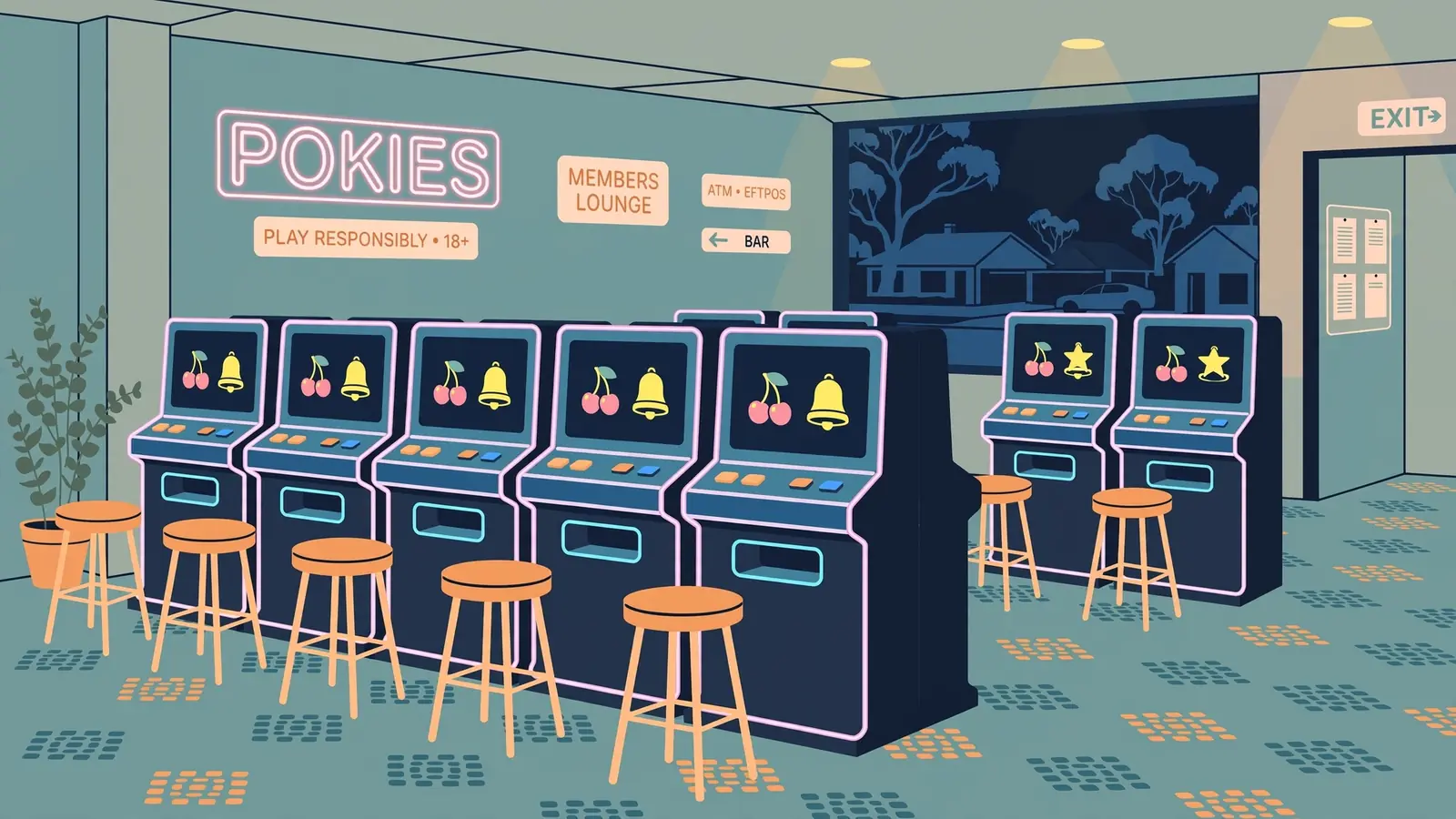
The label Mines casino game describes the gambling product, while “Mines slot” or “slots Mines” often describes how the title is placed in a casino lobby. These terms can point to the same grid-based game, but they do not mean that Mines is a conventional slot machine. The classification affects where you find it, which game rules you need to read, and how its results are generated.

Why Mines appears under slots
A traditional slot uses reels, symbols, paylines or ways to win, and a spin button. The outcome is produced when the reels stop. A Mines game uses a selectable grid instead. You choose a stake, reveal cells, and decide whether to continue or cash out according to the game’s interface. It has no rotating reels and no symbol combinations in the conventional sense.
Casinos may still place Mines beside slots because it is a fast casino product with a simple stake-and-result cycle. Lobby categories are commercial navigation tools, not technical definitions. A tile marked “Slots” can therefore contain products that do not share the mechanics of reel-based games.
When you open a title presented as a Mines slot, check the rules panel rather than relying on the category label. Look for:
- the grid and available mine settings;
- the way a revealed result changes the displayed payout;
- the cash-out control;
- the game-history view;
- the stated randomisation or fairness system.
This inspection separates a genuine Mines product from a slot that merely uses a mine-themed graphic or name.
Mines compared with other casino formats
Mines is also easy to confuse with adjacent products because the same lobby may group several quick-result games together.
| Format | Main interface | How it differs from Mines |
|---|---|---|
| Conventional slot | Reels, symbols, and spins | The result comes from a reel outcome rather than selected grid cells |
| Mines | Grid, hidden cells, reveals, and cash-out | The player interacts with individual positions during the round |
| Dice game | A wager on a dice result or named dice outcome | The interface is built around dice rules, not a minefield grid |
| Crash game | A rising multiplier and a cash-out decision | The central event is the multiplier sequence, not cell reveals |
The distinction matters when you are browsing a lobby. A title containing “Mines” may be listed as a slot, arcade game, instant game, or casino game depending on the operator’s menu structure. Its category does not by itself explain the mathematics, the game provider, or the verification method.
Checking the technical description
For conventional slot products, the provider should publish the theoretical RTP, and the casino should show your actual game history with bet-by-bet results. The same practical principle applies when a lobby places Mines among slots: identify the provider, read the rules, and confirm what history the interface records.
Some operators use certified random number generators. A source-specific operator review states that Betway, LeoVegas, Casumo, and 888 Casino use certified RNGs; that review also says RNG testing is performed by independent laboratories such as eCOGRA or iTech Labs. Treat this as information about the operators covered by that review, not as a universal feature of every Mines listing.
Lobby Navigation Lobby categories like “Slots” are commercial navigation tools; a Mines game may be listed there even though it does not use traditional spinning reels.
Crash games are a separate category. A profile review of crash products describes provably fair technology as a way to verify an outcome, but verification only explains how a result can be checked. It does not turn Mines, a slot, or a crash game into a profitable product.
Use the lobby label to locate the game, then use the rules, provider information, history, and stated outcome system to identify what you are actually playing.
Crash Casino Games for Real Money in Australia
Crash games are a separate casino format from Mines. Instead of revealing positions on a grid, you watch a multiplier rise from the start of a round. You choose whether to cash out before the round ends. If the crash occurs first, the wager loses. This structure explains why titles such as Aviator, JetX, and Crash X appear beside Mines in casino lobbies while remaining different products.
The decision is time-based rather than grid-based. A round may display a rising multiplier, but that visible movement does not create a reliable signal about what happens next. Previous rounds do not make a later crash “due”, and a high multiplier in one round does not predict the next result. A real-money game therefore requires two separate checks: how the result is generated and what the payment terms say about the wager.
Aviator, JetX, and Crash X
The named games belong to the same broad crash category, but their interfaces and technical documentation may differ. Before placing a wager, check which game provider supplies the title, whether the operator shows a game history, and whether the rules explain the settlement point. The relevant question is not whether the graph looks convincing. It is whether the result can be reconstructed from the information supplied by the game.
For a real-money session, inspect:
- the displayed multiplier and the point at which the round ended;
- the bet and cash-out records for your account;
- the game rules covering interrupted connections and unsettled bets;
- the method used to generate or verify the result;
- the bonus terms that apply to crash wagers.
A game history is useful because it records what happened, but history alone does not prove that future outcomes are predictable. It allows you to compare the round record with the published rules and identify missing or inconsistent information.
Provably fair hashes and server seeds
Some crash products use a provably fair process. The central idea is that the operator commits to a concealed value before the round, then reveals information that allows the result to be checked afterwards. A cryptographic hash can act as that commitment: the published hash is created from a hidden value, but it should not reveal the value itself before the round.
The server seed is the concealed value used in this process. When the server seed is provided after each round, you can use it, together with the other disclosed inputs and the stated calculation method, to reproduce the outcome. The verification process tests whether the revealed seed matches the earlier commitment and whether the calculated result matches the multiplier shown by the game.
Verification Summary
- Provably fair technology confirms if a result was generated as stated, not if it will win.
- Certified RNGs rely on independent laboratory testing of the system’s randomness.
- Game history allows you to reconcile settlements with displayed results.
That is a meaningful transparency feature, but its scope is limited. It can show that a completed round was generated according to the disclosed mechanism. It does not show that the next round can be predicted, that the game has no house edge, or that a betting pattern will produce a profit. Verification answers “Was this result calculated as stated?” It does not answer “Will this game make money?”
Treat any claim about provably fair technology with the same precision. A site should explain what is hashed, when the commitment is made, when the server seed is disclosed, and how you can perform the calculation. If the site mentions a hash but does not provide the seed or the verification method, the claim is incomplete. If the server seed cannot be checked after the round, independent verification is not available in practice.
Certified RNGs and independent testing
Not every crash game uses a player-facing server-seed system. Other products rely on a certified random number generator, or RNG. An RNG produces results through software designed to generate unpredictable values within the game’s rules. Certification is not the same as a player manually reproducing every round. It is an external assessment of whether the system operates as specified and whether its statistical behaviour is suitable for the declared game.
A profile review reports that Betway, LeoVegas, Casumo, and 888 Casino use certified random number generators. The same source states that RNG testing is performed by independent laboratories such as eCOGRA or iTech Labs. Treat this as a claim requiring confirmation in the operator’s current terms, game information, or certification material, rather than as proof that every crash title on a platform uses the same system.
Provably fair verification and certified RNG testing serve different purposes:
- Provably fair: gives you a method to check an individual completed outcome using disclosed cryptographic data.
- Certified RNG: relies on an independent laboratory assessment of the game’s randomisation system.
- Game history: shows the records attached to your account and helps you compare settlements with the displayed results.
None of these mechanisms changes the mathematical expectation of a wager. They address integrity and auditability, not profitability.
Bonus treatment is a separate calculation
A crash game may be technically verifiable and still be a poor match for a welcome offer. Bonus rules can assign crash wagers a reduced contribution or exclude them entirely. A profile review reports that crash games at Lucky Vibe contribute 5% towards wagering requirements. The same review states that Wild Tokyo and Ritzo do not allow crash games to contribute towards welcome-bonus wagering requirements, while Neospin crash games contribute 5% towards those requirements.
These are operator-specific statements, not a universal market rule. Read the exact terms attached to the offer before depositing. Check whether the rule applies to all crash titles, whether wins and stakes are treated differently, and whether a game excluded from contribution can still be played with bonus funds. Do not infer eligibility from a promo banner, a “no deposit” label, or a code shown beside the game.
The practical order is straightforward: identify the crash title, establish how its outcomes are generated, test whether the history and seed information can be checked, and then read the bonus contribution rule separately. A verified result is evidence about the round’s integrity. It is not evidence of a winning system, a predictable multiplier, or a profitable real-money session.
Mines Bonuses, Promo Codes, and Wagering Contributions
Using a Slots Mines App Safely on Mobile
A mobile Mines game does not change the game’s mathematics or Australia’s regulatory position. An app is only an access layer: it displays the game, sends instructions to the operator, records transactions, and returns account information. Treat a downloadable app and a mobile browser version as the same operator service when checking its safeguards.
Mobile Security Attention Do not treat an app-store listing or polished mobile interface as proof of legal authorisation or reliability.
Before signing in, confirm who operates the service and whether its licensing information can be independently checked. The ACMA actively blocks offshore operators, and using an unlicensed site creates practical risks involving access, payments, and withdrawals. Do not treat an app-store listing, polished interface, or mobile branding as evidence of approval.
Check the deposit screen before confirming a payment. The displayed minimum deposit may not be the final cost: a profiled industry review reported a platform adding a 5% surcharge to certain payment methods despite advertising a AU$10 minimum deposit. Read the payment terms, currency conversion notice, and withdrawal conditions on the same device you will use to play.
The account should also provide a bet-by-bet game history, visible transaction records, and clear responsible-gambling controls. Set a deposit limit before the first transaction, and look for session controls and self-exclusion that can be activated without unnecessary barriers. If an app hides these settings behind support contact, treat that as a material warning.
Keep the app updated only through a verifiable official source, protect the account with a unique password, and avoid saving payment details on a shared phone. If the operator’s identity, transaction history, or safety controls cannot be checked, do not deposit through the mobile interface.

Mines Demo Slots: A Safer Way to Inspect the Interface
A demo version of a Mines-style casino game is best used as an interface check, not as evidence that real-money play is safe or profitable. Before depositing, open the game and identify the controls that will affect a real wager.
Check these elements in order:
- Bet control: confirm where the stake is entered and whether the displayed value changes before a round begins.
- Grid interaction: select a covered tile and verify that the interface clearly marks the reveal.
- Round history: find the record of previous reveals, wins, losses, and completed rounds. A history panel should distinguish the current round from earlier activity.
- Cash-out control: locate the button before starting a round. It should show when a withdrawal is available and what amount would be returned at that moment.
- Game rules: read how the mine count, grid, reveal sequence, and payout calculation are described. Do not rely on labels that provide no explanation.
A useful demo also lets you reset the board without confusing the previous result with the next round. Test the page after changing the stake, selecting different mine settings, and ending a round. The purpose is to see whether the controls respond predictably and whether important information remains visible.
One operator is described in a specialist review as offering a dice demo without requiring a deposit. That is a platform-specific report, not proof that every Mines game has a free interface. Treat any demo as an inspection tool: it can show workflow and presentation, but it cannot establish future outcomes, real-money conditions, or the fairness of an unrelated game.
Where to Play Mines Casino: A Pre-Deposit Checklist
Before choosing where to play Mines for real money, assess the operator rather than relying on a game name or promotional claim. Use this checklist before making a deposit:
- Confirm the legal position. No Australian casino licence exists for real-money online casino games. Offshore operators may serve Australian customers, but the ACMA actively blocks unlicensed sites. Treat missing licensing information as a reason to stop, not as a minor documentation issue.
- Verify the licence independently. Check the stated licence number on the relevant regulator’s official website. A licence logo without a matching record does not establish that the operator is authorised.
- Set limits first. Deposit limits should be available before the first transaction. Confirm that you can also set session controls and activate self-exclusion without unnecessary contact with support. Self-exclusion should remain available for at least 24 hours.
- Read the payment schedule. Check minimum deposits, withdrawal methods, processing conditions, and every fee. A profile review of one platform recorded a AU$5 charge on all bank-transfer withdrawals, showing why the cashier’s terms must be read before funding an account.
- Check inactivity rules. Look for the period that triggers an inactivity fee, its amount, and whether remaining funds can be withdrawn before the charge applies.
- Inspect game records. The account should provide bet-by-bet history, including stakes, outcomes, and balance changes. If the operator hides this information, you cannot properly reconcile your play or investigate a disputed result.
Choose only after each item is clear in writing. If licensing, limits, fees, or records remain ambiguous, do not deposit.
Created by the ”Trusted Australia Casino” editorial team.